Aerospace Sealing Solutions
Ergoseal provides sealing solutions for four core aerospace systems: auxiliary power units, hydraulic systems, engine cooling systems, and fuel systems.
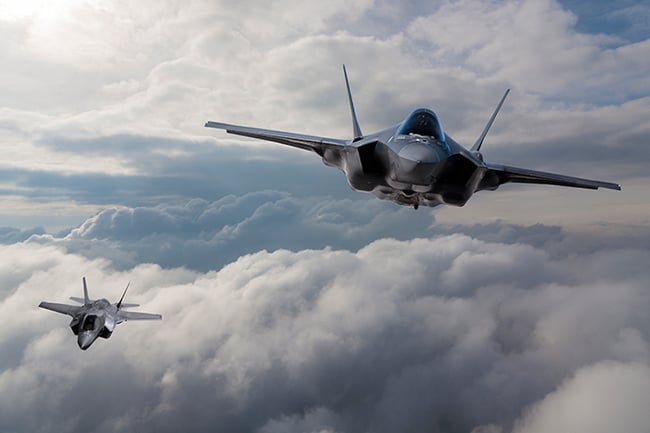
With the safety of millions in mind, the aerospace industry requires seal solutions that reliably perform to the highest standards while supporting a more sustainable future. As critical aircraft components, seals must hold up under extreme conditions: high speed, wide temperature swings, and corrosive chemicals. Ergoseal delivers durable, optimized sealing solutions for even the most innovative aerospace applications.
Aerospace Sealing Applications
Beyond APUs, hydraulic, cooling, and fuel systems, aerospace applications often demand sealing solutions engineered for specific components — from wheel speed sensors requiring resistance to extreme vibration and temperature cycling, to lightweight materials reshaping seal design for modern aircraft engines.
Learn more about how Ergoseal engineered a solution for aircraft wheel speed sensors.
Auxiliary Power Units
APUs provide power to aircraft systems when main engines are not operational, ensuring the safety and comfort of passengers and crew. They reduce fuel consumption and emissions during ground operations, making them crucial for efficient aircraft functioning. Sealing components within the APU must contain jet fuel and synthetic turbine lubricants (typically MIL-PRF-23699 or MIL-PRF-7808 ester-based oils) while withstanding demanding thermal ranges — roughly -40°F to 400°F for MIL-PRF-23699, -65°F to 428°F for MIL-PRF-7808 — and bleed-air discharge pressures up to 40-45 psi.
Hydraulic Systems
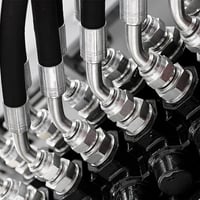
Hydraulic systems power vital aircraft functions, such as landing gear and flight control surfaces, ensuring safe and efficient operation. Aerospace-grade systems endure extreme conditions and are indispensable for aircraft maneuvering, takeoff, and landing. These systems operate at pressures of 3,000 psi on legacy platforms and up to 5,000 psi on newer aircraft, with fluids like Skydrol (phosphate ester) and Mil-PRF-5606 (mineral oil) rated across a -65°F to 275°F range — demanding seals that hold up to both extreme pressure and Skydrol's known incompatibility with many standard elastomers (modern seals typically use EPDM or PTFE).
Aircraft Engine Cooling Systems
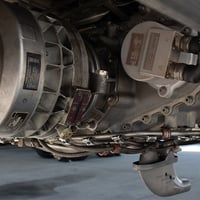
Engine cooling systems are essential to regulate engine temperature and prevent overheating. In conventional jet engines, oil is the primary cooling medium, often circulated through a fuel-oil heat exchanger (FOHE) that uses fuel as the heat sink; these systems run oil temperatures from -40°F to 300-400°F at pump discharge pressures of 45-90 psi. In electric and hybrid-electric propulsion systems, a water-glycol coolant circulates through the motor housing instead, typically operating across a -40°F to 250°F range at lower pressures of 15-50 psi. Overheating can cause mechanical failures and compromise aircraft safety. Engine cooling systems are indispensable for reliable aircraft operation and are designed to withstand harsh conditions across both legacy and next-generation platforms.

Fuel Systems
Fuel systems are a vital component of aerospace applications, managing and distributing fuel to engines. They must be designed to be reliable, efficient, safe, and meet strict regulations. Seals throughout these systems must maintain integrity across wide temperature swings — from Jet A-1's -47°C (-53°F) freeze point at cruise altitude to hot-climate ground exposure near 130°F (54°C) — and pressure ranges spanning 5-60 psi at fuel boost pumps up to 100+ psi at engine feed lines.
The Ergoseal Difference
When you partner with Ergoseal you're not just getting sealing solutions; you're getting a team of experts dedicated to your success. Our globally recognized AS9100 Certification demonstrates our unwavering commitment to excellence in safety precision, and reliability.
That commitment drives our continuous pursuit of innovation and sustainability and has earned us the trust of leading aerospace organizations worldwide.
Review our comprehensive range of sealing solutions to see how we can support your aerospace projects. Whether designing the next generation of aircraft or pioneering space exploration, Ergoseal is your trusted partner in sealing excellence.